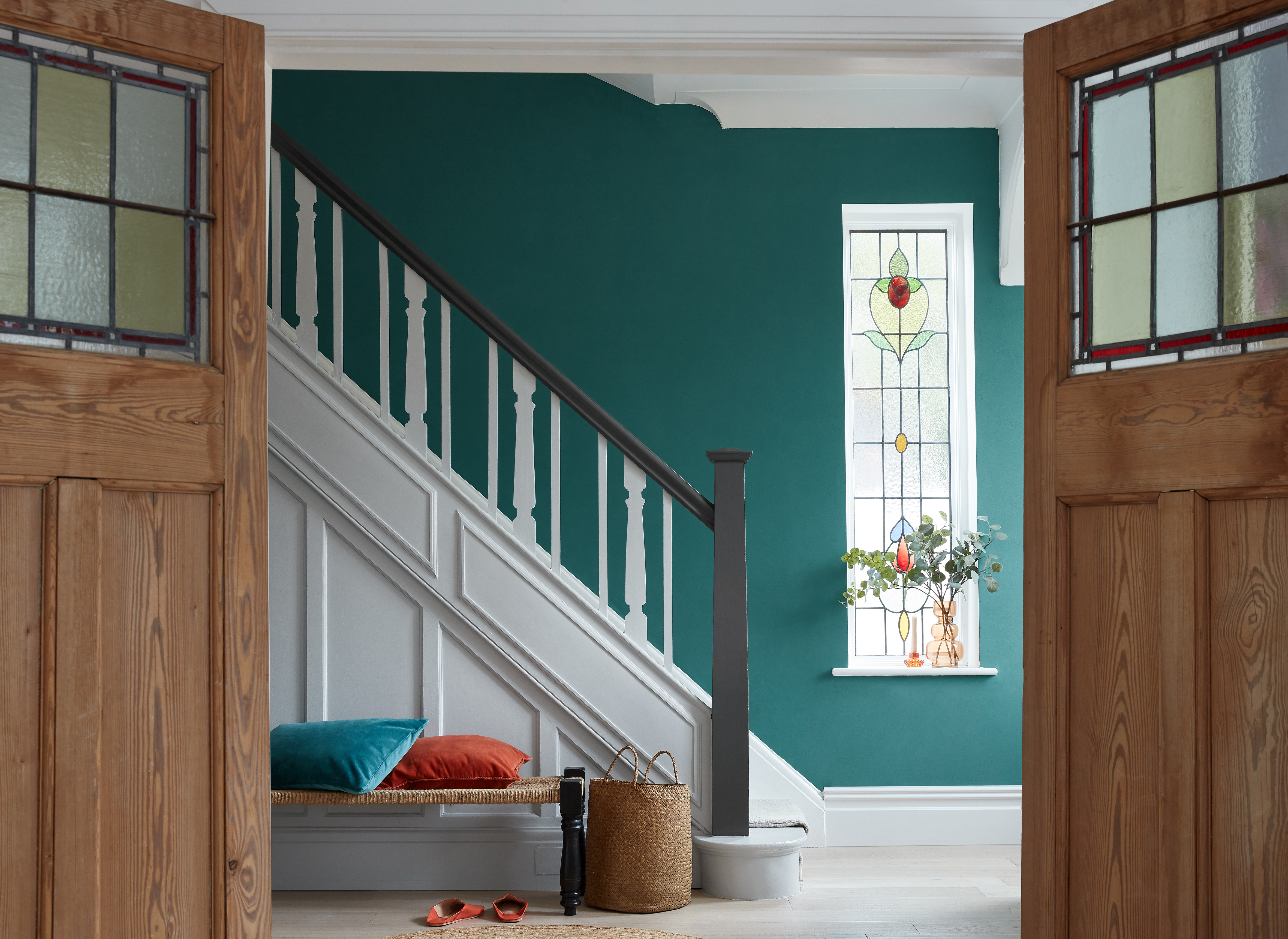
From low-VOC paints to reclaimed timber and recycled textiles, the materials architects and designers specify today shape the environmental legacy of tomorrow's buildings. We explore how thoughtful material selection can deliver both exceptional design and meaningful sustainability.
The conversation around sustainable architecture has evolved over the past decade. What was once considered a niche concern has become a fundamental consideration in contemporary interior design and architecture. Architects and designers are increasingly tasked with creating spaces that don't just look beautiful or function well, but that actively contribute to environmental wellbeing. For our part, the British Homes Awards have placed increasing emphasis on the sustainable credentials of schemes in the last few years. At the heart of this shift lies a crucial element: the materials chosen. From the paints on the walls to the timber beneath clients’ feet, every specification carries an environmental footprint, and an opportunity to do better.
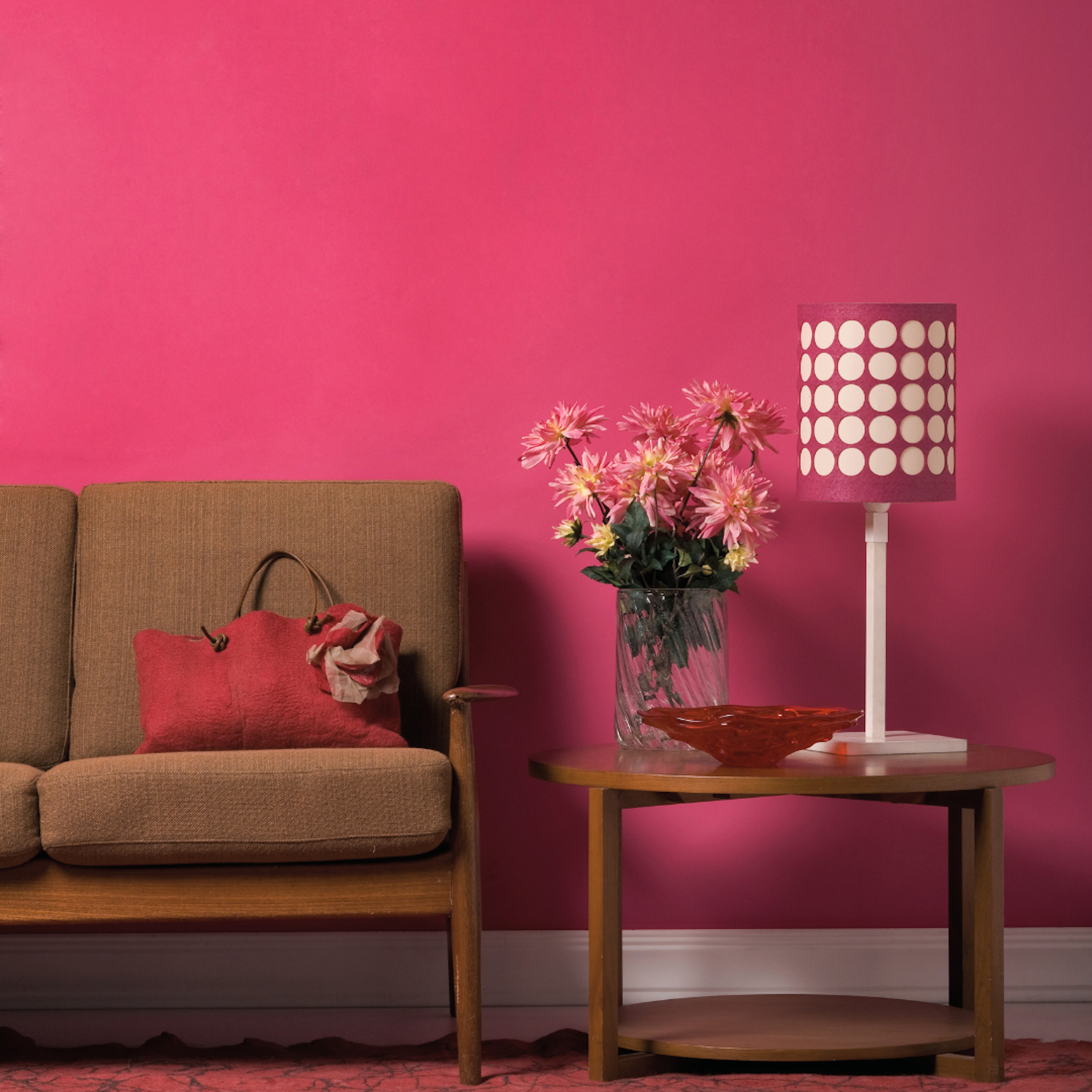
Paint’s impact on both indoor air quality and environmental health is significant. Traditional paints release volatile organic compounds (VOCs) that can affect occupant health for months after application. The alternative, such as clay-based breathable paints, offer a solution. These formulations use natural, renewableingredients including clay, mineral fillers, and plant-based binders, resulting in low or zero VOC emissions. These paints can also actively regulate humidity, creating more comfortable interior environments.
Engineered flooring, meanwhile can offer a more resource-efficient approach. By using a thin layer of slow-growing hardwood like oak over a multi-ply base of faster-growing species such as birch, these products dramatically reduce the consumption of premium timber. The end result for residential interiors is the warmth of beauty of solid wood but conserving nature’s valuable resources.
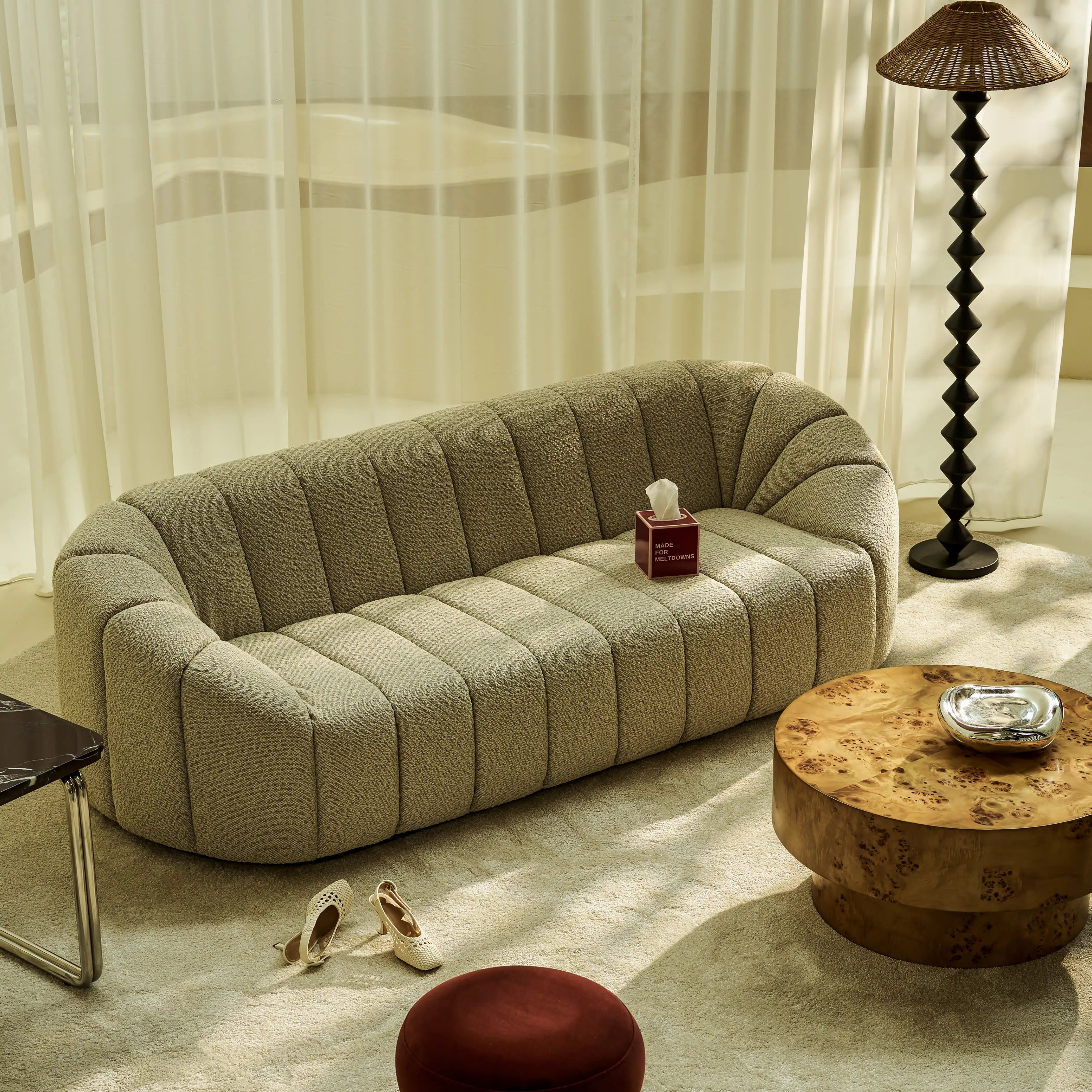
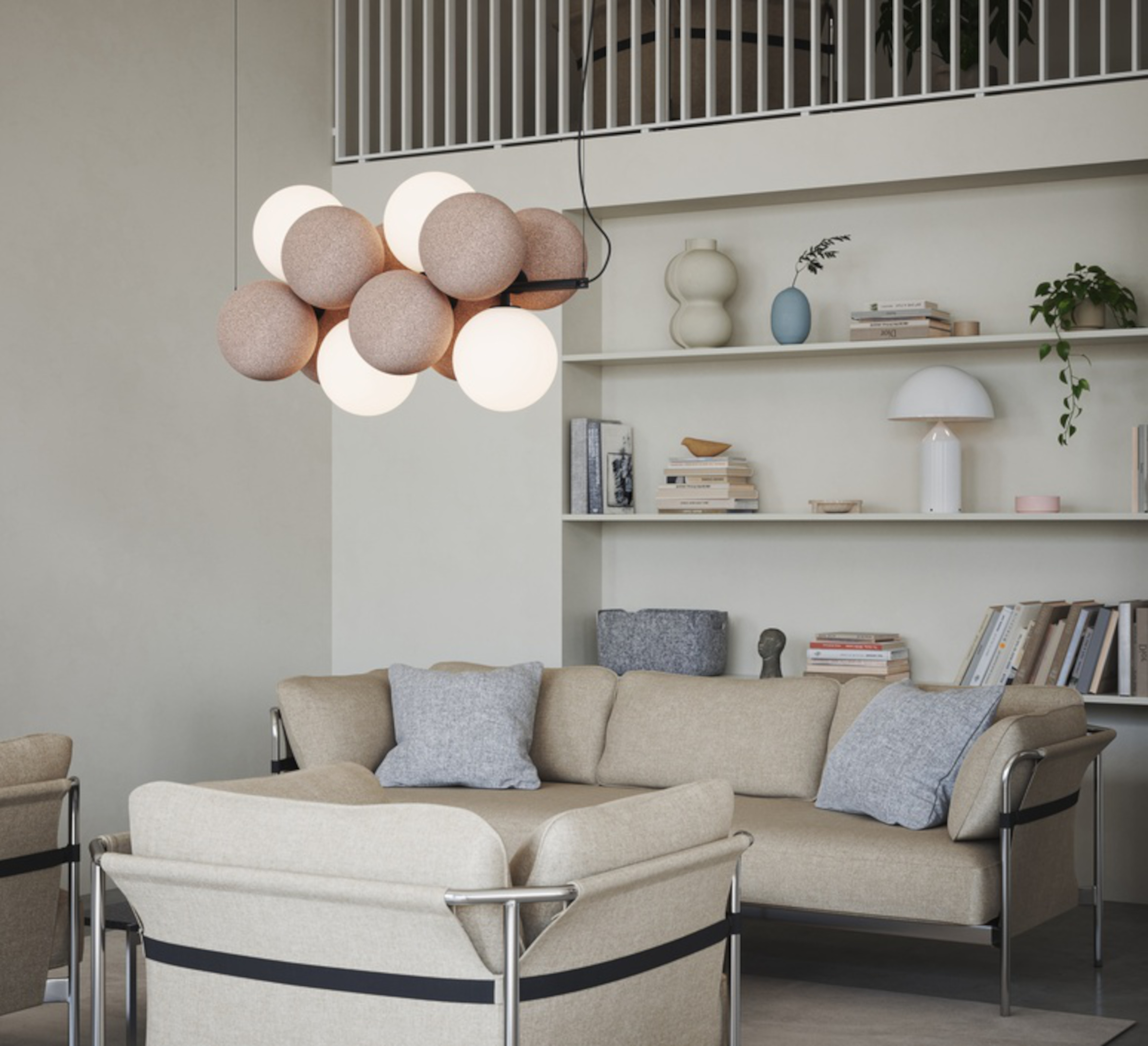
Recycled content is increasingly finding its way into furnishings, from acoustic panels to upholstery textiles woven from reclaimed PET yarns. Inspired by the 1970s, with a ribbed design and
swooping curves, the Ivy 3 Seat Sofa by Cult Furniture (pictured above) is made from recycled PET yarns. Meanwhile the Holly horizontal terracotta pendant light (pictured below), is designed by Runa Klock & Hallgeir Homstvedt for Swedish company Abstracta. It is ideal for absorbing low-frequency sound and the flexible spherical absorbers are made from recycled fabric using the Soundfelt REC material and feature a seamless, 3D-knitted heathered polyester covering. Recycling in this way needn’t mean compromising on the look and feel of residential interiors. Indeed, contemporary recycled materials often match or even outperform products made from virgin material in terms of aesthetics and durability, while carrying a significantly lower environmental burden.
After all, the buildings architects and designers create today will stand for decades, perhaps centuries and the materials they choose now will determine not just how these structures look and perform, but what environmental legacy they leave behind. Specifying more sustainable materials is, in effect, reshaping the built environment toward a more thoughtful, responsible future.
Engineered flooring, meanwhile can offer a more resource-efficient approach. By using a thin layer of slow-growing hardwood like oak over a multi-ply base of faster-growing species such as birch, these products dramatically reduce the consumption of premium timber. The end result for residential interiors is the warmth of beauty of solid wood but conserving nature’s valuable resources.
