Judges Category Winner Interview: Craig Rosenblatt, ROAR Architects
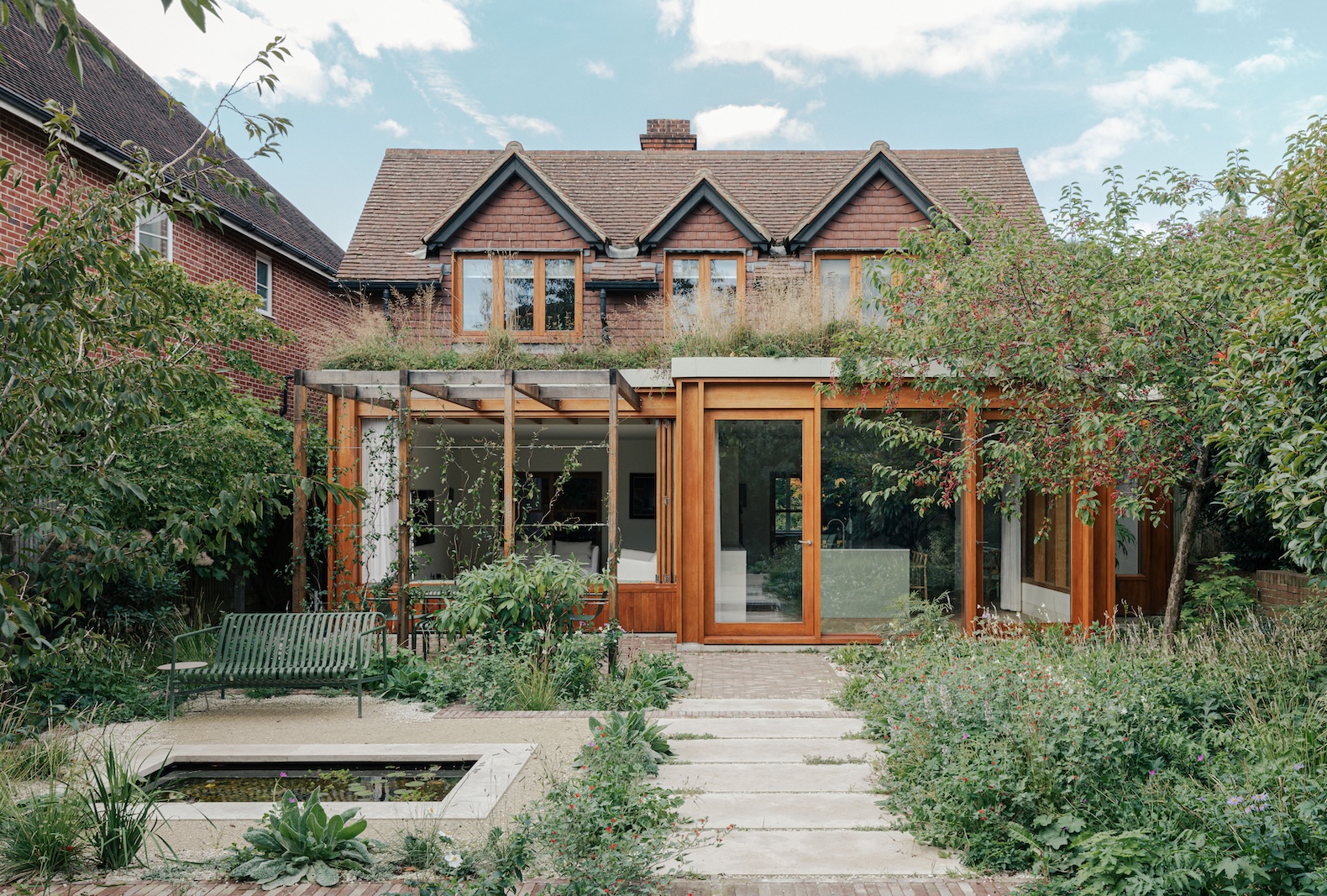
ROAR Architects won Home Extension of the Year in the 2025 British Homes Awards for their Newton Park Place scheme. Here ROAR Director Craig Rosenblatt talks through working with a listed building, harmonising through contrast and the importance of sustainability in residential schemes.
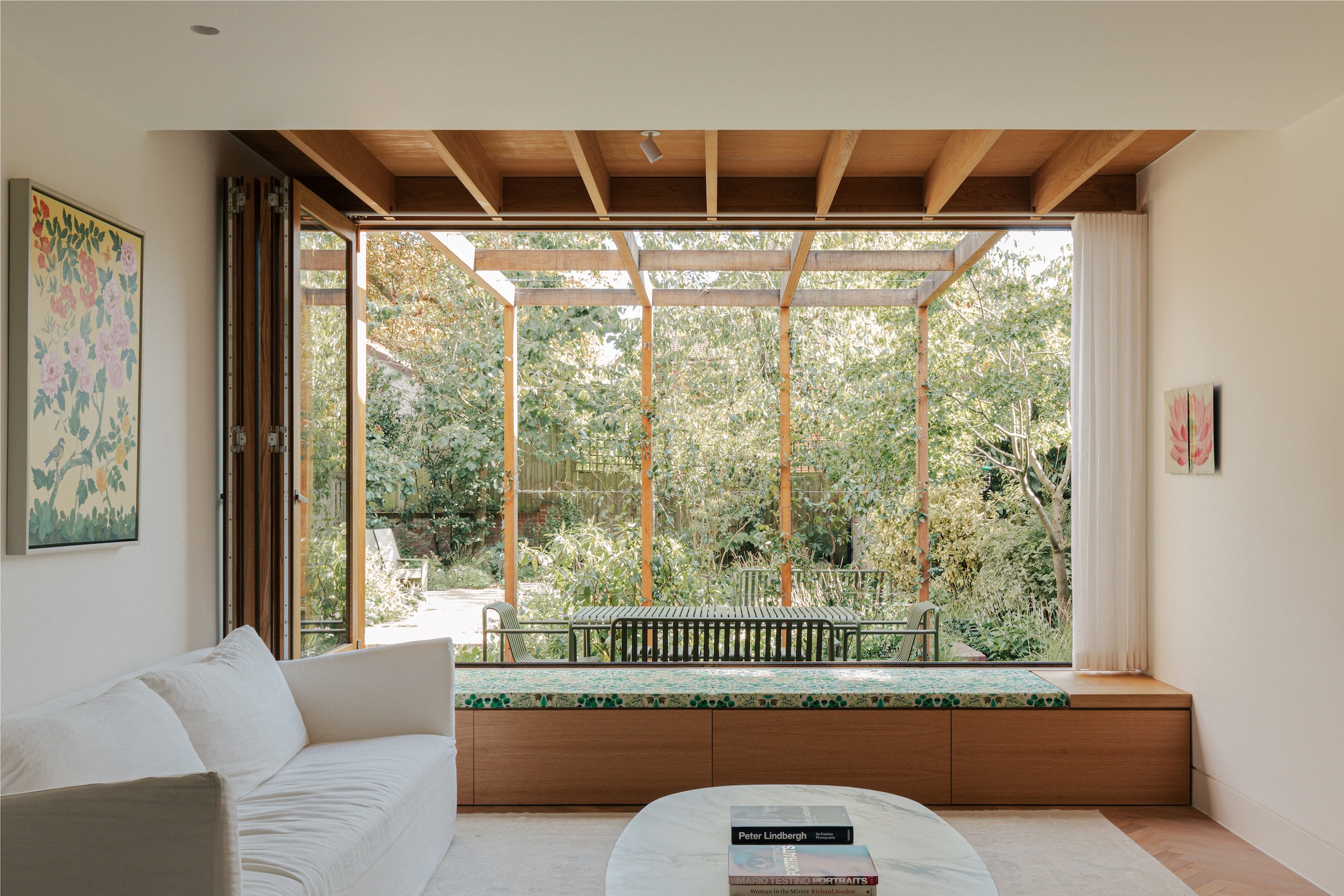
Kelly wanted warm, natural materials, clearly defined spaces rather than a single open-plan room, and a design that felt modern without copying the Victorian house. Sustainability, longevity and quality of space were important from the start.”
Q: Talk me through the challenges of working on a listed building?
CR: “With a listed building, the challenge is always understanding what matters about the house and making sure you don’t undermine that. There’s often an expectation that you should replicate historic details, but I don’t think that’s always the most respectful approach. Here, the challenge was being confident enough to propose something clearly contemporary, while being carefully considering scale, footprint and material choices, and bringing the conservation officer along on that journey.”
Q: The judges praised the ‘well-resolved plan’- again can you talk me through the challenges of this, what did you change, what did you retain?
CR: “The existing house had a cellular plan typical of its age, and it would have been easy to replace this with a single open space. Instead, we developed a stepped plan that responds directly to the original footprint, creating a sequence of distinct but connected rooms. That same logic carries through into the elevation, with internal functions and views reconnecting the house with the garden, and the pergola gently blurring the boundary between inside and out.”
and embodied carbon, while wood fibre insulation, a wildflower green roof and discreet solar panels improve energy performance and biodiversity. Just as important was designing a home that the family genuinely loves and will look after long term.”
Q: Why is entering awards important for architects?
CR: “Awards are a useful moment to pause and reflect on the work. I think the British Homes Awards are particularly valuable because they celebrate domestic architecture and focus on how homes are actually lived in. They also help show that working with historic buildings doesn’t have to mean playing it safe. Contemporary, low-impact design can add real value in these settings.”
Q: What can we expect from ROAR in 2026?
CR: “2026 is shaping up to be a busy and varied year for us. We’re completing ambitious retrofit projects, from a 10,000 sq. ft co-working building in King’s Cross to an Islington townhouse with a ground source heat pump and external wood fibre insulation, alongside a deeply personal home designed around ageing in place. We also have a bold micro-infill new-build coming forward in Finsbury Park and are developing a design-and-build offer, based on the belief that architects can be more hands-on, leading to better outcomes.”